

Reviewed · TOURS IN BELFAST
If Buildings Could Talk Tour
Belfast’s buildings become storytellers on this easy-paced city walk. Instead of rushing from landmark to landmark, you stop to hear about the people, odd events, repairs, murals, and major moments tied to the streets around City Hall. Barney is the main guide named in the tour details, and his style mixes local knowledge with dry humor and short, well-shaped stories.
I like the small-group limit of 20, since it gives you room to ask questions. I also like the practical route: roughly 2 miles through central Belfast, ending where you began. The main drawback is that this is an outdoor walking tour, so poor weather can affect the experience or lead to cancellation.
Key points at a glance
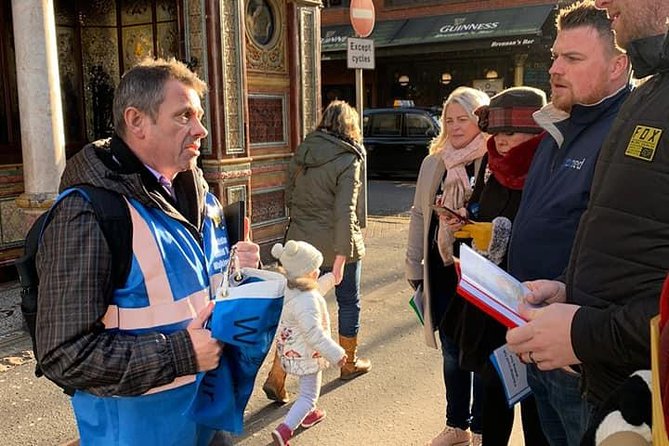
- Two miles through central Belfast: You get a useful first look at the city without committing to a long, tiring walk.
- Stories from the past century: The focus is on people, buildings, unusual events, murals, and Belfast’s changing fortunes.
- Barney’s personal approach: Expect a local guide who uses humor, anecdotes, and clear explanations rather than a dry lecture.
- Gentle pace: The tour lasts about 1 hour 45 minutes to 2 hours, with time for questions.
- Small groups: A maximum of 20 people makes it easier to hear the guide and join the conversation.
- City Hall starting point: The route begins beside Belfast City Hall and returns to the same meeting point.
Why this Belfast walk feels different
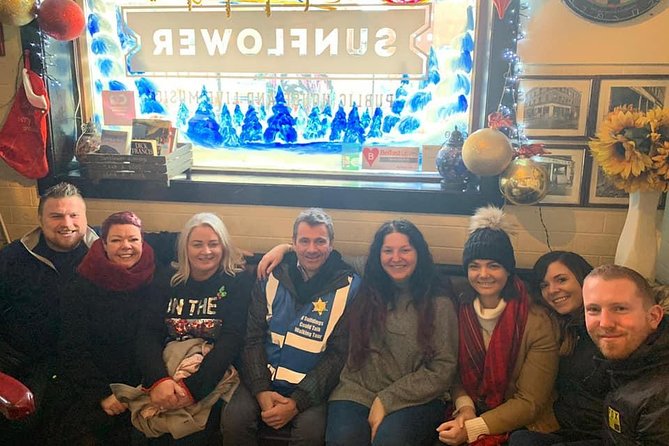
Many city walks give you a list of dates and buildings. This one aims for something more human. The central idea is that Belfast’s buildings carry stories about the people who lived, worked, argued, celebrated, and sometimes suffered inside them.
That approach suits Belfast particularly well. The city center brings together civic buildings, commercial streets, memorials, murals, and places connected with the Troubles. You are not only looking at architecture. You are being encouraged to notice how the city changed, how buildings were damaged or repaired, and how public spaces reflect Belfast’s past.
The tour covers the last 100 years, so it is not a full history of Belfast from its earliest days. Instead, it gives you a concentrated look at the modern city. You can expect interesting, unusual, and entertaining incidents, with the guide explaining why particular places matter.
I like this format for a first morning in Belfast. Two hours is long enough to get your bearings, but short enough to leave the rest of your day open. You also return to City Hall, so you finish in a familiar central location rather than being dropped somewhere unfamiliar.
Other tours people book from Belfast:
- Titanic Belfast Entrance Ticket: Titanic Visitor Experience Including SS Nomadic
★ 4.5 · 3,698 reviews - Cab Tours Belfast Famous Black Taxi Tours
★ 5.0 · 3,633 reviews - A History of Terror – Belfast City Centre Walking Tour
★ 5.0 · 2,883 reviews
Starting beside Belfast City Hall
The meeting point is on Donegall Square North, on the right-hand side of City Hall opposite Danske Bank. The listed ticket redemption point is 9 Donegall Square North. Take a moment to identify the exact side of the building before the start time, since City Hall occupies a large, open square and several nearby streets meet here.
Tours leave at 10am and 1pm. The morning departure is useful if you want to use the walk to plan the rest of your day. The 1pm departure works well after a late breakfast or a morning visit elsewhere in Belfast.
The tour begins in the heart of the city, not at a distant attraction. That saves you transport time and makes the experience easy to fit into a short Belfast stay. The area is near public transport, and the activity ends back at the starting point.
Arrive ready to walk rather than expecting a ride between stops. The total distance is about 2 miles, or 3.2 kilometers. That is manageable for most people, but comfortable shoes still matter because the route takes place on city streets and lasts close to two hours.
Following the buildings through central Belfast
The walk does not list a string of fixed attractions in advance. Instead, the guide takes you through Belfast city center and uses the buildings and streets around you as prompts for stories.
That can make the route feel more flexible than a standard landmark tour. You may pass a building that looks ordinary at first, then learn about an unusual event connected with it. A facade may lead into a story about a former occupant. A mural may open a discussion about the Troubles, the division of the city, or efforts to repair and restore Belfast.
The value is in the explanation. You could walk past many of these places on your own without knowing what to look for. The guide adds the background that turns a streetscape into a set of clues.
The stories cover events from roughly the past century, with attention to the people who lived or worked in the buildings. That personal angle helps balance the larger political story. Belfast’s history can be heavy, but the tour also includes amusing and unusual incidents, so the tone is not relentlessly grim.
You should still expect serious subjects. The tour includes murals connected with the Troubles, damage to buildings, the division of parts of the city, and later efforts at repair and restoration. The guide’s humor helps keep the walk engaging, but it does not erase the difficult parts of Belfast’s past.
Barney’s storytelling style
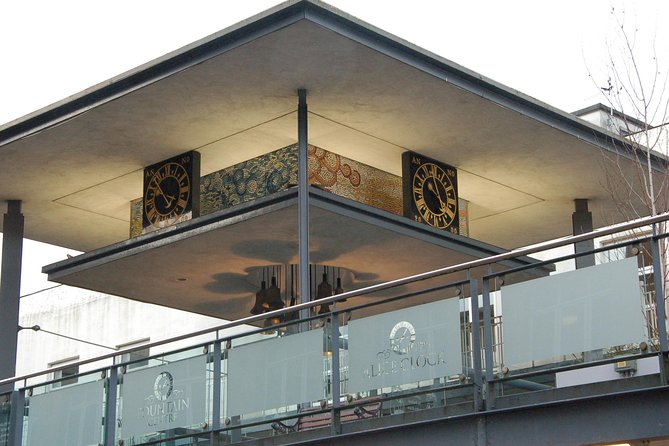
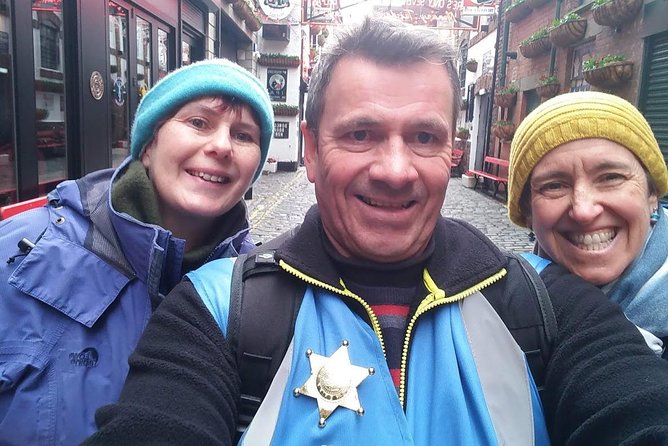
Barney is the guide most often identified with this experience. His approach is built around anecdotes, local detail, and humor. He is described as concise, patient with questions, and able to make buildings and city streets easier to understand.
That matters because a two-hour history walk can become tiring if it turns into a long lecture. Barney’s style appears to favor short stories that connect a place with a person or event. You get facts, but you also get a sense of how the city’s residents shaped its character.
The guide uses a gentle pace, which is helpful if you want time to look around rather than simply keep up. It also makes the tour suitable for a solo visitor. You do not need to arrive with a group to get value from the experience, and the small setting can make it easier to ask questions.
One detail mentioned in the tour feedback is the use of individual booklets and headsets. These are useful additions if provided on your departure, especially when street noise or a larger group makes it harder to hear. Since equipment can vary, I would still listen for the guide’s instructions at the start.
Some comments also identify Randy as a guide for a departure. If your booking confirmation names a particular guide, use that as your best indication. The important point is the style of the experience: a local guide, spoken stories, and plenty of context about Belfast’s buildings and people.
Same city, a different sort of day out:
- Game of Thrones and Giant’s Causeway Full-Day Tour from Belfast
★ 5.0 · 2,291 reviews - Private Black Taxi Belfast City Tour
★ 5.0 · 2,188 reviews - City Sightseeing Belfast Hop-On Hop-Off Bus Tour
★ 4.5 · 2,012 reviews - Giants Causeway & Castles Tour from Belfast: Guided tour
★ 5.0 · 1,432 reviews
The Troubles, murals, and a changing city
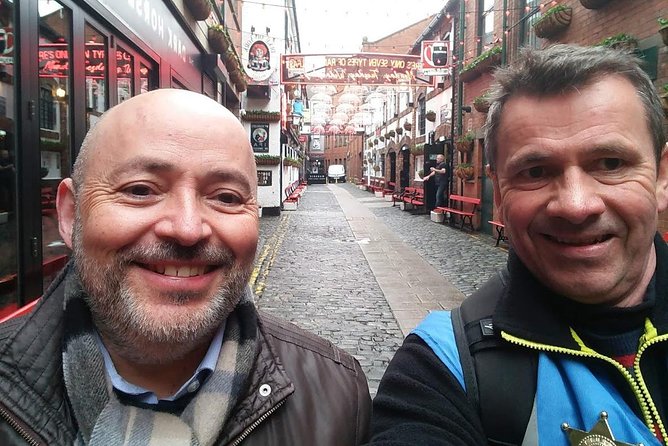
Belfast’s recent past cannot be explained without discussing the Troubles. This walk includes murals and buildings linked with that period, along with the damage, separation, and restoration that affected the city.
For a first-time visitor, this is useful context. You may see political symbols and murals elsewhere in Belfast, but without explanation it can be hard to understand their meaning or place in the city’s story. A guide can provide the background in a measured way and show how the physical city reflects divisions that are not always obvious at first glance.
The tour also includes the development of Belfast and repeated efforts to repair buildings. That broader view is important. The city is not presented only as a place shaped by conflict. You also hear about rebuilding, restoration, and the way Belfast has continued to change.
This part of the walk may be less comfortable than the humorous stories, but it is one of the reasons to choose this tour instead of a general orientation walk. You get more than pretty buildings and quick facts. You get help reading the city.
How much value do you get for the price?
The listed price is $20.80 per person, while the tour information also gives a price of £12. Because those figures may reflect different booking currencies or updated pricing, check the final amount shown when you reserve.
At roughly twenty dollars, the value is good if you want a guided introduction to Belfast that combines orientation with history. You receive about two hours with a guide, a route of roughly 2 miles, and the chance to ask questions in a group capped at 20 people.
The value is strongest for first-time visitors. A self-guided walk costs less, of course, but you would need to research each building, identify the relevant murals, and piece the stories together yourself. Here, the guide does that work while you walk.
It is also a sensible choice for local residents who want to see familiar streets differently. The tour is not only for people arriving from abroad. Its emphasis on unusual events and the people connected with buildings can reveal details that daily commuters often miss.
The price is less attractive if you only want a quick list of major sights or prefer to explore entirely at your own pace. This is a spoken-story tour, so its value depends on your interest in local history and the guide’s delivery.
Pace, clothing, weather, and group size
The walk lasts between 1 hour 45 minutes and 2 hours, depending on group size. It is not a strenuous hike, but you should wear comfortable footwear. Dress for Belfast weather, including rain, wind, or a sudden change in conditions.
The weather point is not just a minor note. The tour requires good weather, and if poor conditions force cancellation, you are offered another date or a full refund. If your Belfast schedule is tight, keep that possibility in mind and avoid placing the tour at the only available slot of your visit.
A maximum of 20 people is a reasonable size for a city walk. You get more personal attention than on a large coach-style outing, while still having enough company for the route to feel lively. A smaller group also makes it easier to stop without blocking the pavement or losing sight of the guide.
The tour is near public transport, and most people can take part. Service animals are allowed. No special fitness requirement is stated, but you should be comfortable walking about 2 miles outdoors.
The best time to take it
I would choose the 10am tour at the start of a Belfast stay. It gives you a basic map of the center and points out places you may want to revisit later. You can then use the afternoon for museums, food, shopping, or a longer trip beyond the city center.
The 1pm tour is better if you prefer a slower morning or are arriving in Belfast around midday. It still leaves some evening time afterward, though you may have less daylight depending on the season.
The tour is also a good first activity for a solo visitor. The guide provides structure, and the group setting gives you a natural chance to ask questions or speak with others. Families and older visitors may appreciate the gentle pace, while local people can enjoy the stories even if they already know the main streets.
What I would want you to know before booking
This is not a hop-on, hop-off bus tour. You will not cover distant neighborhoods or see every major Belfast attraction. The experience stays within the city center and concentrates on stories tied to the streets and buildings around you.
It is also not a formal architecture course. Buildings matter because of what happened in and around them, not only because of their design. If you enjoy human stories, local characters, odd incidents, and history explained in plain language, that is a strength. If you want detailed architectural analysis, you may find the focus too broad.
The tour ends where it starts, which makes planning easy. You do not need to arrange a return transfer, and you can continue exploring from Donegall Square North.
Free cancellation is available if you cancel at least 24 hours before the start time. Changes or cancellations inside that window are not accepted for a refund. Check the local time cut-off carefully, especially if you are booking from another time zone.
Should you book If Buildings Could Talk?
Book it if you want a friendly, story-led introduction to Belfast that covers more than the obvious sights. The strongest reasons are Barney’s engaging style, the gentle 2-mile route, the small group, and the attention given to people, murals, the Troubles, and the repair of the city.
I would especially recommend it for a first visit, a solo trip, or anyone who likes to understand what they are seeing rather than simply photograph it. It also suits Belfast residents who want fresh stories about familiar streets.
Skip it if rain is forecast and your schedule cannot handle a change, or if you prefer to explore silently and independently. For most visitors who have two free hours and want history delivered with humor and local detail, the price is fair and the route is a practical way to get oriented.
FAQ
Where does the If Buildings Could Talk Tour begin?
It begins on Donegall Square North in Belfast, beside Belfast City Hall and opposite Danske Bank. The listed ticket redemption point is 9 Donegall Square North.
Where does the tour finish?
The tour ends back at the same meeting point where it begins.
How long does the tour last?
The walk lasts about two hours. Depending on the size of the group, it may take between 1 hour 45 minutes and 2 hours.
How far do you walk?
The route covers about 2 miles, or 3.2 kilometers, through Belfast city center.
What time does the tour depart?
There are two departures each day, at 10am and 1pm.
What does the tour cover?
The tour covers Belfast city center and stories connected with interesting, unusual, and entertaining events from the past 100 years. It also includes historical buildings and murals connected with the Troubles.
Who guides the tour?
Barney is the main guide named in the tour information and is known for local stories, humor, and clear explanations. Some tour feedback also identifies Randy as a guide.
How many people can join the tour?
The activity allows a maximum of 20 people.
What happens if the weather is poor?
The tour requires good weather. If it is canceled because of poor weather, you are offered a different date or a full refund. Free cancellation is also available when you cancel at least 24 hours before the start time.
Just added in Belfast
- Belfast Black Cab Taxi Private Tour 2hr with Original Guides★ 5.0 · 10 reviews
- Luxury Party Bike Tour of Belfast City (Individual Seat)★ 4.5 · 21 reviews
- The Hippy Bike Fully Enclosed Party Bike Tour (Private Bike)★ 5.0 · 18 reviews
- Private Giants Causeway & Antrim Coast Tour★ 5.0 · 26 reviews
- Private Shore Excursion From Belfast Cruise Terminal★ 5.0 · 26 reviews
- Private Giants Causeway and Antrim Coast Tour★ 5.0 · 40 reviews
- Belfast Music and Street Art Small Group Guided Experience★ 4.5 · 62 reviews
- Private Belfast Troubles Cab Tour Adventure 2hrs Personal Guide★ 5.0 · 55 reviews
Tours in Belfast, compared.
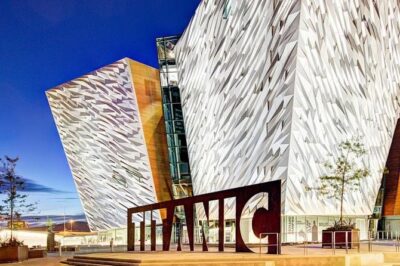
Titanic Belfast Entrance Ticket: Titanic Visitor Experience Including SS Nomadic
Read our review →
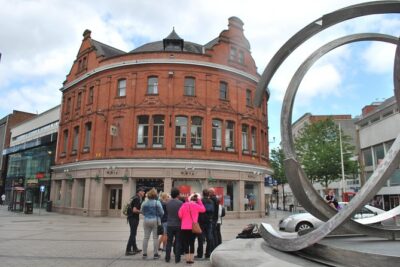
A History of Terror – Belfast City Centre Walking Tour
Read our review →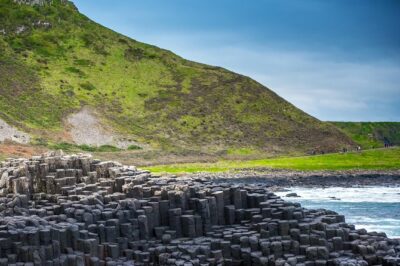
Game of Thrones and Giant’s Causeway Full-Day Tour from Belfast
Read our review →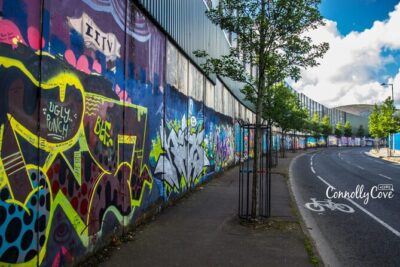
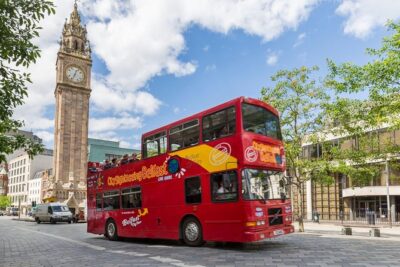
City Sightseeing Belfast Hop-On Hop-Off Bus Tour
Read our review →
Giants Causeway & Castles Tour from Belfast: Guided tour
Read our review →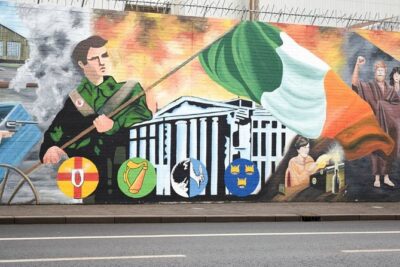
Browse the lists this tour appears in