
Reviewed · CITY TOURS
Belfast Official Private City Tour
Belfast’s past is written across its walls. This private tour takes you from the Falls Road to the Shankill Road, where murals, memorial gardens, and the still-standing Peace Wall explain the Troubles more clearly than a quick city walk can. You also get Belfast Castle and waterfront landmarks, giving the day more range than a conflict-only outing.
I like the private vehicle, which saves time between scattered neighborhoods, and I like the chance to ask direct questions rather than follow a fixed group script. Guide Barry is praised for friendly, detailed commentary, including Irish and British history. The main drawback is price: at $615.91 per person, this makes the most sense for a small group that values privacy and efficient transport.
Key points to know before booking
- The Troubles are the main subject: Falls Road, Shankill Road, political murals, memorials, and the Peace Wall form the heart of the tour.
- You cover a lot of ground: Private transfers connect west Belfast, Belfast Castle, the city center, and the waterfront.
- The Peace Wall is a direct, memorable stop: You can write your name and leave a message of peace and hope.
- The tour includes both communities’ stories: Republican sites appear alongside Loyalist murals and memorials on the Shankill Road.
- Barry may be your guide: He is specifically praised for his local knowledge, friendly manner, and clear historical narration.
- The schedule is brisk: Allow about 2 hours 40 minutes to 3 hours, with many short stops rather than long visits.
Why this private Belfast tour works
This is not a standard sightseeing loop built around pretty buildings. Its center is Belfast’s recent conflict, a period that lasted more than 30 years and still shapes the city. You see the places where Republican and Loyalist identities remain visible, then move to landmarks that show Belfast beyond the conflict.
That combination matters. If you only visit the Peace Wall, you may leave with a narrow picture of Belfast. Here, you also see Belfast Castle, the Albert Memorial Clock, the Big Fish, the Beacon of Hope, and parts of the waterfront. The tour gives you both the difficult story and the broader city.
The private format is especially useful for this subject. Political murals can be easy to misread, and the meaning of a memorial often depends on who created it and whom it honors. With your own guide, you can ask for context, request a slower explanation, or spend less time on a stop that does not suit your group.
The timing is efficient rather than leisurely. The tour lists roughly three hours, but it includes more than ten stops. You should expect short visits, photo opportunities, and commentary from the vehicle, not long museum sessions or extended time at each site.
A few more things worth booking around Belfast
- Private Black Taxi Belfast City Tour
★ 5.0 · 2,188 reviews - 2 Hour Private Belfast Taxi Cab Tour of Troubles & Peace walls
★ 5.0 · 240 reviews - Private Political History & Murals Tour Belfast
★ 5.0 · 182 reviews
Divis Tower and the route into west Belfast
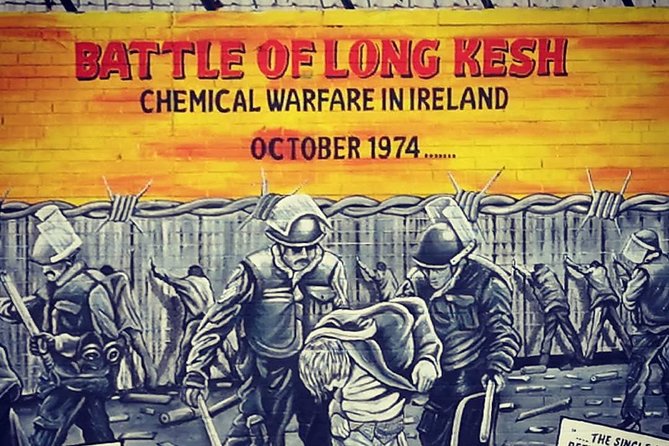
The tour begins around Divis Tower, close to the interface between Falls Road and Shankill Road. This is an important starting point because the area helps you understand the physical closeness of the two communities. The stop lasts about ten minutes, so your guide will likely use it to explain the setting before moving on.
Divis is also a useful reminder that the conflict was not an abstract political argument. It affected streets, apartment blocks, families, and daily movement through the city. You are looking at a lived-in area, not a purpose-built history attraction.
Falls Road and the International Mural Wall
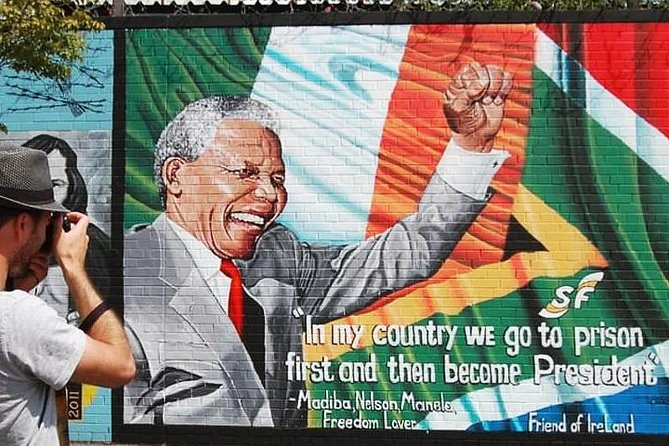
At the International Mural Wall on Divis Street, you see politically charged murals and street art connected with former prisoners of war. The stop lasts about twenty minutes, giving your guide time to explain the images and the political ideas behind them.
This is one of the strongest parts of the tour for anyone who wants more than a quick photograph. Murals can look like colorful public art when seen without context. Here, you learn how they relate to Republican identity, Irish nationalism, remembrance, and the long conflict.
I would pay close attention to the difference between murals made for local political memory and newer pieces intended for a wider audience. The tour description specifically frames the wall as an international collection, so you may see references that reach beyond Northern Ireland.
Photography is part of the appeal, but the subject deserves a respectful approach. These images relate to real deaths, imprisonment, and political struggle. A private guide can help you understand what you are seeing before you move on.
The Peace Wall and a message of hope
The Peace Wall, also called a peace line, is a central stop and lasts about twenty minutes. The wall still separates communities, which gives the visit a strange quality: it is presented as a peace structure, yet it also records how divided the city remains.
You can write your name and leave a message of peace and hope. That small action gives the stop a personal element, though it does not erase the serious history behind the wall. I would treat it as a moment for reflection rather than simply another photo stop.
The value here comes from seeing the physical barrier for yourself. Books and documentaries can explain the conflict, but a wall running through a city makes the division easier to grasp. Your guide can also connect this stop with the nearby murals and roads, helping you understand how the geography shaped daily life.
Same city, a different sort of day out:
- Titanic Belfast Entrance Ticket: Titanic Visitor Experience Including SS Nomadic
★ 4.5 · 3,698 reviews - Cab Tours Belfast Famous Black Taxi Tours
★ 5.0 · 3,633 reviews - A History of Terror – Belfast City Centre Walking Tour
★ 5.0 · 2,883 reviews - Game of Thrones and Giant’s Causeway Full-Day Tour from Belfast
★ 5.0 · 2,291 reviews
Bobby Sands and Clonard Monastery
The Bobby Sands mural takes about ten minutes. It depicts Sands, an IRA volunteer who died during the 1981 hunger strike. This is one of Belfast’s best-known political images, and it carries strong meaning within the Republican community.
The stop is short, but the subject is not simple. A good explanation should place Sands within the hunger strike and the political conflict without reducing the story to a single slogan. This is another point where a private format helps, since you can ask questions about language, symbolism, and competing interpretations.
Next comes Clonard Monastery, built in 1897 by the Naughton brothers. It is a large Roman Catholic monastery located in the area between the peace line. You get about ten minutes here.
The monastery helps connect the political story with the religious and community institutions of west Belfast. It is not simply a church photo stop. Its location near the division between communities gives it added meaning within the tour’s route.
Clonard Martyrs Memorial Garden
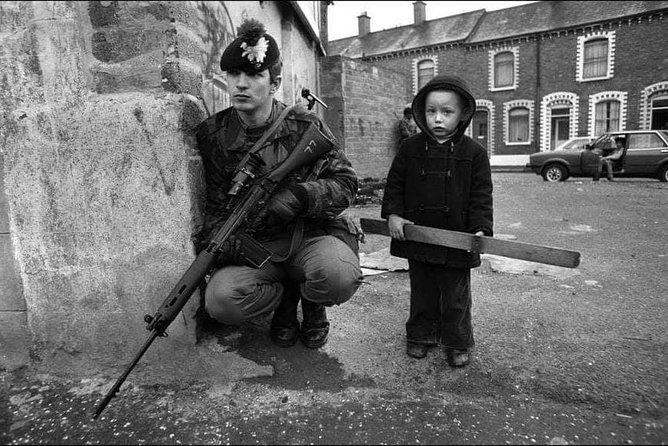
The Clonard Martyrs Memorial Garden receives about fifteen minutes. It commemorates fallen volunteers from C Company, 2nd Battalion, Belfast Brigade, civilian casualties from the Greater Clonard area, and deceased Republican prisoners from the area between 1916 and 1970.
This is a solemn stop, and the wording of the memorial matters. It reflects a particular Republican view of the conflict and its victims. You should expect a focused explanation rather than a neutral monument in the usual civic sense.
The garden also helps explain how the present conflict began around 1969. If your interest is political history, this may be one of the most useful stops because it links people, dates, and local memory. If your group includes children or anyone uncomfortable with war memorials, keep in mind that much of the tour deals with death and political violence.
Shankill Road and the Loyalist story
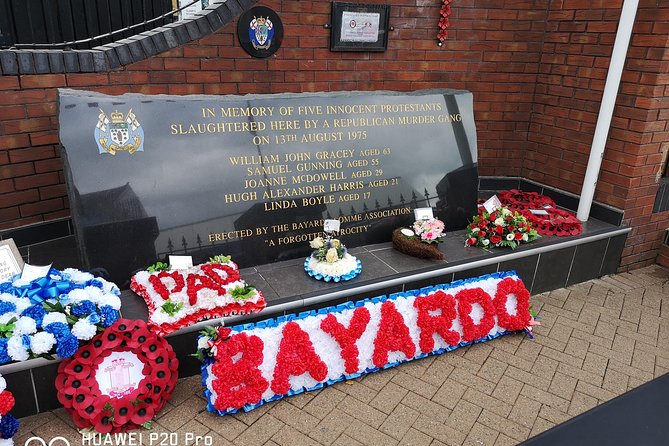
The tour then crosses to Shankill Road for about twenty minutes. You see the King William mural, Loyalist murals, and memorials connected with the UFF, UDA, and Ulster Volunteer Force. Your guide explains Ulster Loyalism and the British identity held by many people in the area.
This balance is important. A Belfast tour that only visits Republican murals gives you only half the story. By including Shankill Road after Falls Road and Clonard, the route lets you compare the visual language, symbols, memorials, and political loyalties of both communities.
The short visit means you will not study every mural in detail. Still, the private setting allows you to ask about the difference between a remembrance mural, a paramilitary image, and a broader statement of identity. That distinction can be hard to see on your own.
The Shankill Road stop may be the most emotionally charged part of the tour. You are seeing memorials linked to people killed in a violent period, and the images remain tied to living political identities. Listen carefully, ask questions respectfully, and avoid treating the area like a theme park.
Belfast Castle and views over the city
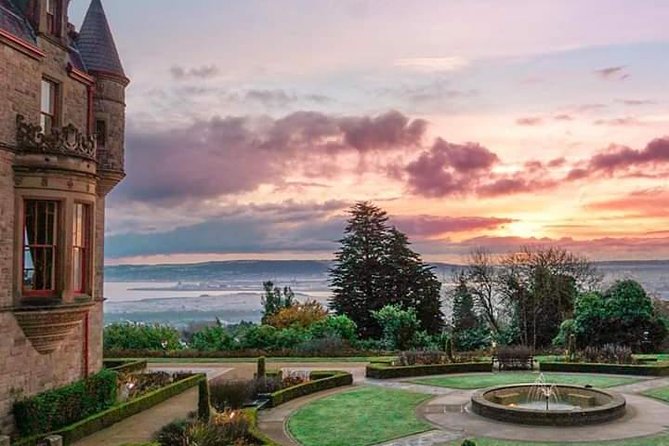
Belfast Castle gets the longest single visit, about thirty minutes. It sits on the slopes of Cavehill Country Park, around 400 feet above sea level, with views over Belfast and Belfast Lough.
The first Belfast Castle was built by the Normans in the late twelfth century in the city center. The present setting gives you a break from the close urban streets of the west Belfast stops. You can take photographs, enjoy the views, and see the city in a wider frame.
This is a smart addition to the itinerary. After several stops focused on division and conflict, the elevated view lets you understand Belfast as a whole. You can also judge how compact the city is and how close the different districts sit to one another.
Do not expect a long country walk. The tour allows thirty minutes, and the main point is the castle setting and the view. Since the tour uses private transport, you can reach the site without spending your limited time finding buses or parking.
The Albert Memorial Clock and Big Fish
The Albert Memorial Clock takes about ten minutes. Completed in 1869, it sits in Queen’s Square and is one of Belfast’s best-known landmarks. Its location brings you back into the city center after the west Belfast route and the castle.
The clock tower is a quick architectural stop, useful for a photograph and a short explanation. The schedule does not suggest an interior visit, so think of it as an outdoor landmark rather than a formal attraction.
The Big Fish, also called the Salmon of Knowledge, receives another ten minutes. This ten-meter ceramic mosaic sculpture by John Kindness was built in 1999 and installed on Donegall Quay near the Lagan Lookout and Custom House.
The sculpture gives the tour a lighter visual moment after the political murals and memorials. Its ceramic surface is made for close viewing, and the waterfront setting adds variety to the route. You will not spend long here, but it is a useful stop if you want photographs of modern Belfast rather than only conflict-related sites.
St Peter’s Cathedral and the Beacon of Hope
St Peter’s Cathedral is in the Divis Street area near Falls Road. Construction began in the 1860s, and it serves as the Roman Catholic cathedral for the Diocese of Down and Connor. The visit lasts around ten minutes.
Because the cathedral is tied to the Catholic community and sits near several earlier stops, it adds religious and civic context to the west Belfast portion of the tour. The short timing suggests a look at the exterior or a brief visit rather than a long architectural tour.
The final listed stop is the Beacon of Hope in Thanksgiving Square. This 19.5-meter metal sculpture by Andy Scott was built in 2007 at a cost of £300,000. It has several local nicknames, including Nuala with the Hula, the Belle on the Ball, the Thing with the Ring, and the Angel of Thanksgiving.
The sculpture is currently the second-largest public art work in Belfast, after Rise on Broadway Roundabout. It offers a fitting final image: modern public art in a central square, far removed in style from the political murals seen earlier.
Price, transport, and what you receive
At $615.91 per person, this is a costly tour if you are traveling alone or as a couple. The price is easier to justify for a larger private group, since you are paying for a dedicated vehicle, a local guide, pickup, drop-off, and a route that would be awkward to cover independently in less than three hours.
The strongest value is time. You do not need to work out connections between Falls Road, Shankill Road, Belfast Castle, Queen’s Square, Donegall Quay, and Thanksgiving Square. Your driver handles navigation while you listen and look out the window.
The tour includes an air-conditioned private vehicle and hotel pickup and drop-off. Pickup is offered, but airport transfers cost extra. Train and bus station transfers are limited to central Belfast, with extra charges outside the central area.
A top-of-the-range Mercedes-Benz V-Class can be requested for an additional £30 where available. That upgrade may matter for a larger group or anyone who wants extra comfort, but it does not change the historical content.
Tips for the guide are not included. The price also does not appear to cover a major paid attraction, since most stops are streets, memorials, public art, and outdoor landmarks. The phrase admission included is therefore less important than the private transport and guiding service.
Who should book this tour?
I would choose this tour if you want a focused introduction to the Troubles, prefer a private setting, and have limited time in Belfast. It suits adults and older children who can handle difficult subjects and who want to ask questions as the day unfolds.
It is also a good fit if you dislike driving in an unfamiliar city. The route covers several districts, and the vehicle makes the schedule practical.
You may want another option if you prefer museums, long walks, or a slower architectural tour. This experience moves quickly, includes many short stops, and gives most of its attention to political history and public landmarks.
The high price is the key decision. For a group sharing the cost, the private format can be sensible. For one or two people, compare the price with a public black-cab tour or a standard city tour before booking. You will get less privacy elsewhere, but possibly better value.
Final verdict: book for context and efficiency
Book this private Belfast tour if you want the city’s divided past explained on the streets where it happened, with both Republican and Loyalist viewpoints included. The Peace Wall, Bobby Sands mural, Clonard memorials, and Shankill Road provide the serious core, while Belfast Castle and the waterfront keep the outing from becoming one-note.
The best reason to book is the guide’s attention. Barry is singled out for friendly, clear narration, and his tour style includes both Irish and British history. If that level of explanation matters to you, the private format is a strong match.
Skip it if the price feels too steep or if you want a slower, more relaxed day. This is a compact, information-heavy tour with many stops. For the right group, it turns a complicated city into a story you can follow, one wall, road, memorial, and landmark at a time.
FAQ
How long does the Belfast private city tour last?
The tour lasts approximately 2 hours 40 minutes to 3 hours.
Is hotel pickup included?
Yes. Round-trip transfer from your hotel is included. Airport transfers cost extra.
Is this a private tour?
Yes. Only your group participates, with private transportation and a professional local guide.
Which Troubles-related places are included?
The route includes Divis Tower, the International Mural Wall on Divis Street, the Peace Wall, the Bobby Sands mural, Clonard Monastery, Clonard Martyrs Memorial Garden, and Shankill Road.
Can I write on the Peace Wall?
Yes. You can write your name and leave a message of peace and hope.
Does the tour visit Belfast Castle?
Yes. You spend about thirty minutes at Belfast Castle, which offers views over Belfast and Belfast Lough.
Is the Mercedes-Benz V-Class upgrade included?
No. A top-of-the-range Mercedes-Benz V-Class is available for an additional £30 where offered.
What is the cancellation policy?
You can cancel for a full refund if you cancel at least 24 hours before the experience start time. Cancellations or changes made less than 24 hours before the start time are not accepted for a refund.
Just added in Belfast
- Belfast’s Titanic Quarter: A Self-Guided Audio Tour★ 5.0 · 6 reviews
- Falls road Murals Walking Tour with former prisoners★ 5.0 · 19 reviews
- The Single Cask Whiskey Experience★ 5.0 · 6 reviews
- Titanic Eastside Bike Tour★ 5.0 · 9 reviews
- Customisable Private Shore Excursion From Belfast Cruise Terminal★ 5.0 · 6 reviews
- Small Group Giant’s Causeway Day Tour from Belfast★ 5.0 · 11 reviews
- 4 Hours Private Belfast City Tours★ 5.0 · 10 reviews
- SHORE EXCURSIONS BELFAST / up to 5 tours in 1 day from CRUISE SHIP @ MICKS TOURS★ 5.0 · 19 reviews
City Tours, compared.
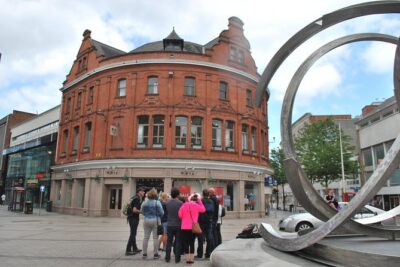
A History of Terror – Belfast City Centre Walking Tour
Read our review →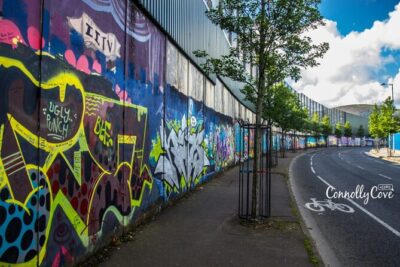
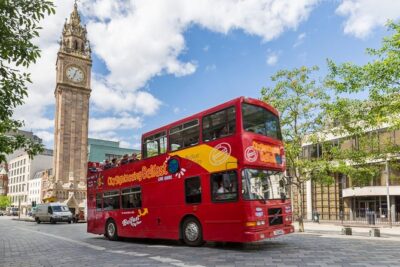
City Sightseeing Belfast Hop-On Hop-Off Bus Tour
Read our review →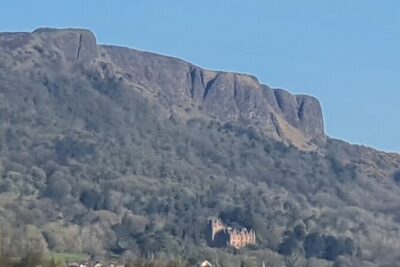
Belfast Eclectic Walking City Center Experience, The Marti Way
Read our review →
Shore Excursion from Belfast: Including Giants Causeway and Belfast City.
Read our review →
Giant’s Causeway and Belfast City Murals Tour inc Game of Thrones Dark Hedges
Read our review →
World Famous Belfast City Centre Black Cab/Taxi Tour 2 Hours
Read our review →
The Real Eclectic Belfast City Walking Tour/Experience.
Read our review →Browse the lists this tour appears in