
Reviewed · BLACK TAXI TOURS
2 Hour Terror and Mural History Belfast taxi Private Tour
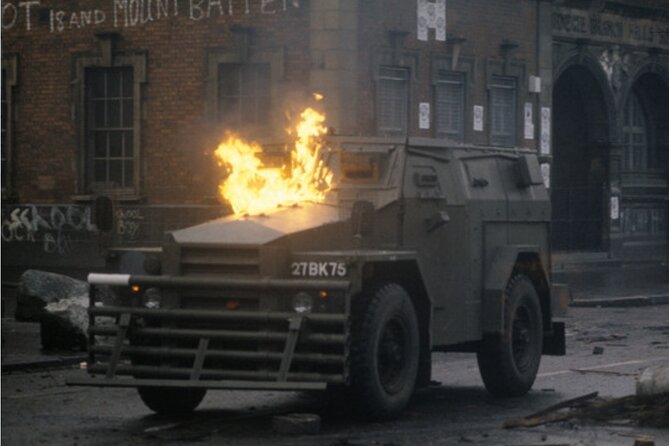
Belfast’s past comes sharply into view on this two-hour taxi tour, where walls, murals, memorial gardens, and former conflict sites tell the story street by street. You move from the nationalist Falls Road to loyalist Shankill Road, seeing how two communities remember the same decades in very different ways.
I like the route’s wide historical lens and its efficient use of time. I also like the chance to hear personal context from a guide with direct experience of the Troubles, including one guide who was shot during the conflict. The main drawback is pace: nine stops in two hours means short visits, not long museum-style exploration.
Key points to know before booking
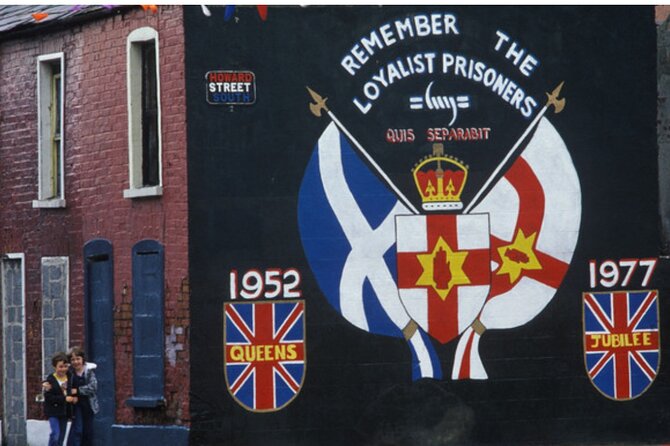
- The route crosses both sides of Belfast’s divide, including Falls Road, Clonard, Bombay Street, and Shankill Road.
- The Peace Walls and murals are the main attraction, with time to see republican, loyalist, and international political artwork.
- A guide may offer first-hand Troubles insight, not just dates and names from a textbook.
- The tour lasts about two hours, with stops ranging from 10 to 20 minutes.
- Pickup is available near Belfast City Hall, but cruise ship pickup is not offered.
- The $190.59 price is strongest for a small private booking, so confirm the vehicle and group setup before paying.
Why Belfast’s murals deserve a close look
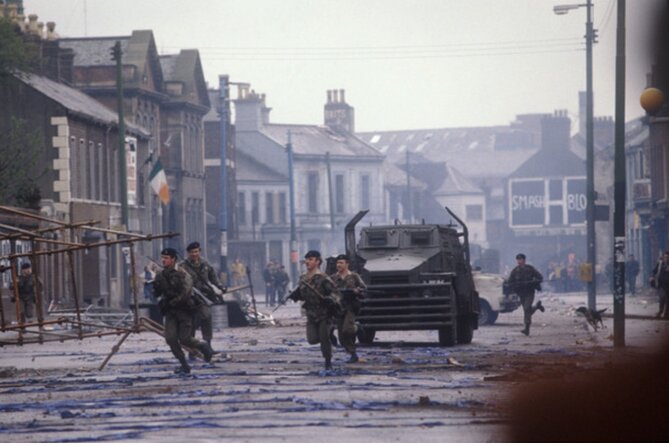
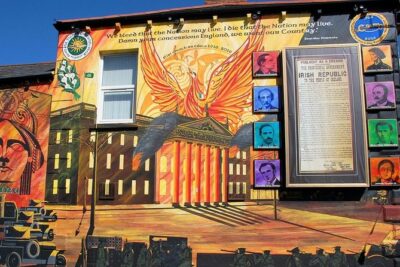
Belfast’s murals are not simple decoration. They are public statements about identity, loss, loyalty, religion, politics, and memory. On this tour, you see them in the neighborhoods where those ideas took shape, which gives the artwork more force than a quick photograph from a passing bus.
The route focuses on West Belfast and the Shankill area, two places often presented as opposing sides of the conflict. That contrast is useful. You are not shown only one political story, and the guide is expected to explain how nationalist and loyalist communities viewed the same period.
The tour is offered in English, and the guide’s role matters greatly here. One guide connected with the experience was shot during the Troubles and presents both sides in a balanced way. That kind of personal connection can make the history vivid, but you should also remember that first-hand accounts are personal. They add meaning, yet they do not replace the need for careful context.
Other taxi tours running in Belfast:
- Cab Tours Belfast Famous Black Taxi Tours
★ 5.0 · 3,633 reviews - Private Black Taxi Belfast City Tour
★ 5.0 · 2,188 reviews - Belfast’s Political Mural Taxi Tour
★ 5.0 · 1,180 reviews
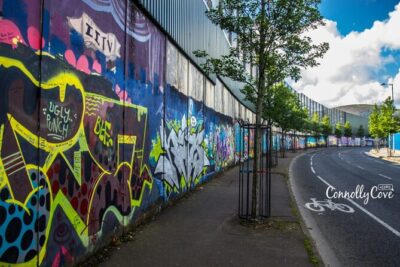
The Peace Wall opens the story
The first stop is the Peace Wall, with about 20 minutes to look at the barrier, murals, and graffiti. These walls were built during the late 1960s as violence grew between Protestant and Catholic communities. Their purpose was practical: keep opposing neighborhoods apart and reduce attacks.
The uncomfortable fact is that the walls still exist. Some gates in Belfast continue to close at night, so peace here is not just a finished chapter. It is an ongoing process, visible in concrete, steel, paint, and the daily shape of the neighborhoods.
I find this an effective opening because it gives you a physical reference point for the rest of the tour. You can see the division before hearing how it affected people living nearby. The walls also carry hopeful messages and signatures from visitors, creating a mix of grief, anger, and hope.
With only 20 minutes, you will not have time to study every mural. Use the stop to take in the scale of the barrier and ask your guide about the gates, the artwork, and how the area has changed.
Divis Flats and the pressure of Fort Apache
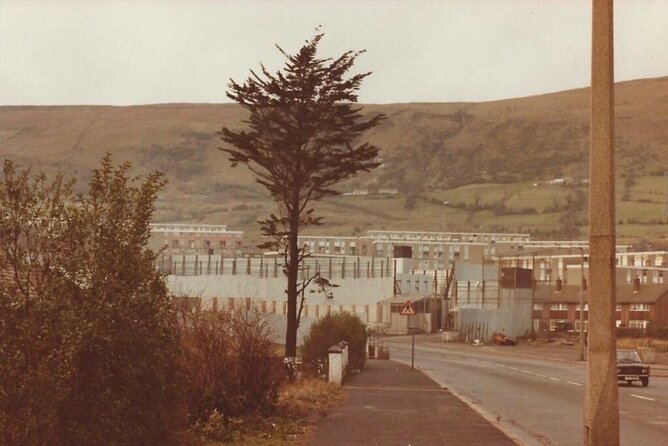
The brief stop at Divis Flats lasts around 10 minutes. The flats became a major flashpoint during the Troubles, especially because the community was largely Catholic and a British Army base was placed on the roof of the tallest building.
That base became known as Fort Apache. From above, soldiers had a strategic view over the neighborhood. For residents below, the military presence added to a sense of surveillance and confrontation. The setting helps explain why ordinary housing projects could become central to the conflict.
This is a quick photo and explanation stop rather than a full visit inside the flats. The value comes from hearing how security policy affected daily life in a residential area. If you want a detailed account of individual buildings or residents, ask questions early, since the schedule keeps moving.
International Wall and the language of protest
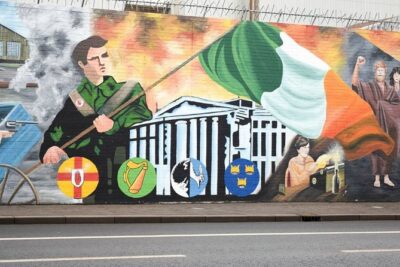
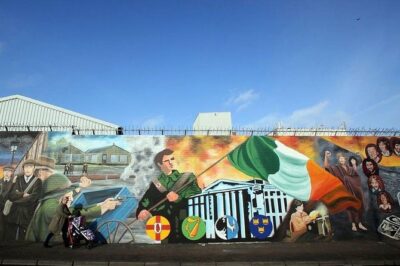
The International Wall on Divis Street gives you another 10-minute look at Belfast’s political art. Unlike a single memorial mural, this wall changes over time and links local events with international causes, human rights campaigns, and struggles for freedom.
The artwork reflects republican politics, but its subjects reach beyond Northern Ireland. That wider focus helps show how Belfast’s mural tradition became a way to connect local identity with events around the world.
You may find this stop more visually varied than the earlier Peace Wall. Still, the short timing means you will see only part of the artwork. Your guide’s explanation is important because symbols and faces can be easy to misunderstand without local context.
More of the murals and the peace walls in Belfast:
- A History of Terror – Belfast City Centre Walking Tour
★ 5.0 · 2,883 reviews - Belfast Troubles Tour: Walls and Bridges
★ 5.0 · 853 reviews - Famous 1.5 hour Belfast Murals Tour
★ 5.0 · 477 reviews - Belfast Political Tour-Conflicting Stories Walking Tour
★ 4.5 · 459 reviews
The Bobby Sands mural and a contested memory
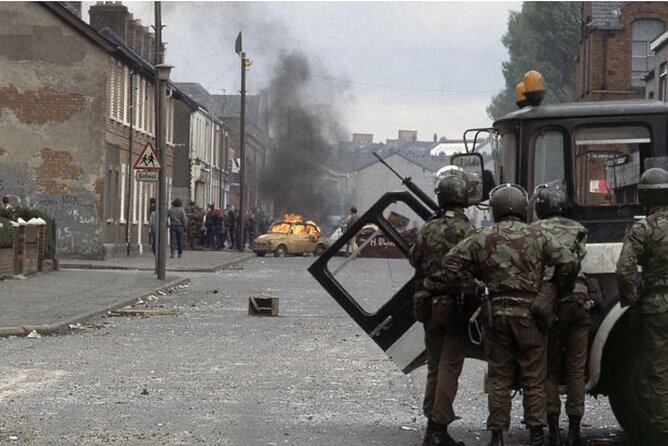
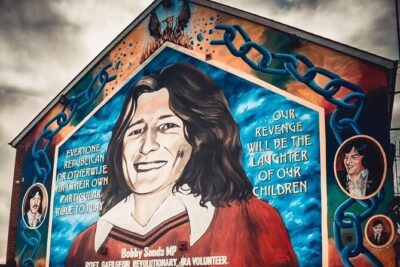
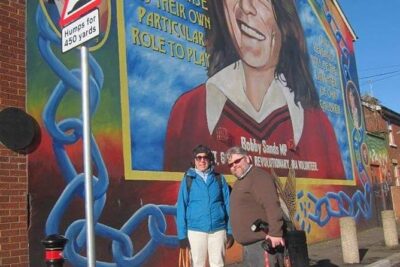
The Bobby Sands mural is one of the most recognizable images on Falls Road. Sands was a member of the Provisional IRA who died during the 1981 hunger strike. During the strike, he was elected to the British Parliament, which made his death an international political event as well as a local one.
The mural presents Sands as a republican symbol of sacrifice and resistance. For others, his IRA role carries a very different meaning. That tension is part of what makes the stop important. You are not looking at a neutral portrait. You are looking at how one community remembers a man connected to armed conflict.
The stop lasts about 10 minutes. It is enough to see the mural and hear its basic story, but not enough for a full discussion of the hunger strikes, British policy, or the wider republican movement. If those subjects matter to you, this is a good place to ask the guide for a clear explanation of competing views.
Clonard Monastery and the work of peace
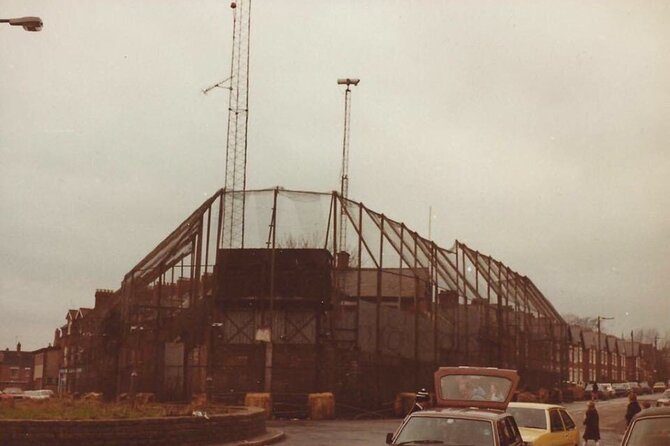
Clonard Monastery offers a change of tone. The red-brick church became important during the Troubles because priests connected with it helped open communication between people who rarely met face to face.
Father Alec Reid is especially important here. His behind-the-scenes work helped bring opposing parties into dialogue, contributing to the process that led to the Good Friday Agreement in 1998. The monastery therefore belongs in this tour not only as a religious site, but as a place linked to negotiation and reconciliation.
You have about 10 minutes at the monastery. The stop is short, so do not expect a full architectural visit or extended time inside. Its value is the story of quiet mediation, a useful counterpoint to the murals and military sites.
A quiet pause at the Clonard Martyrs Memorial Garden
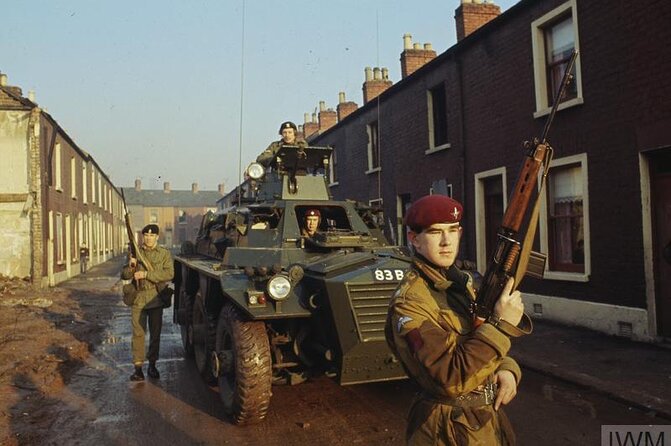
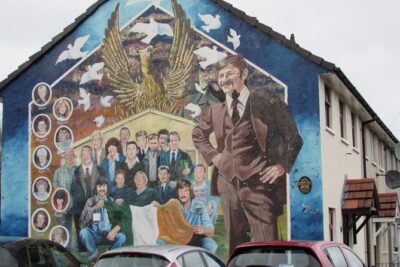
Next to the monastery, the Clonard Martyrs Memorial Garden provides around 15 minutes for reflection. Plaques and memorials honor people from the local community who died during the Troubles.
This is a solemn stop. The garden brings the conflict down from political slogans and military labels to individual lives. You can think about the cost carried by families and neighborhoods, not just by organizations and governments.
The garden also shows why Belfast’s memory is so local. A memorial in one street may honor people who are remembered as victims by one community and viewed through a different political lens by another. Listen closely to the wording used at the site and ask your guide how the memorial fits into local memory.
Crumlin Road Gaol from the outside
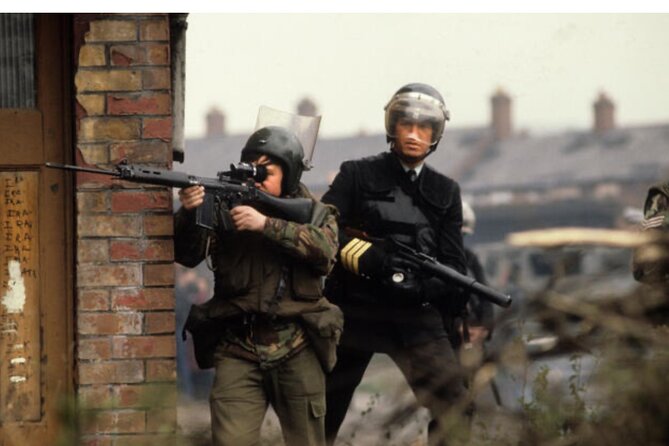
The tour then reaches Crumlin Road Gaol, a former prison linked to both criminal and political prisoners. The jail held IRA members and loyalist paramilitaries, while the nearby courthouse handled major trials connected with the conflict.
The prison and courthouse were linked by a tunnel. That practical connection became a powerful image of the legal system’s role in the Troubles, as prisoners moved directly from the jail to court.
The stop lasts about 10 minutes and is listed as a free visit rather than a full prison tour. You should not expect the longer guided experience offered at the restored gaol. Instead, the guide gives you the key history and explains why the site mattered.
For a prison-focused visit, you would need more time elsewhere. On this route, Crumlin Road Gaol works as one piece of a larger story about policing, imprisonment, courts, and political violence.
Bombay Street and the formation of the Provisional IRA
The Peace Lines stop near Bombay Street lasts around 15 minutes. In August 1969, sectarian rioting destroyed homes on Bombay Street and displaced Catholic families. The attacks helped create conditions for the formation of the Provisional IRA, which claimed it would defend nationalist communities and seek Irish reunification through armed resistance.
This is a crucial part of the route because it shows how violence changed political organizations. The Provisional IRA did not appear in a vacuum. The destruction of homes and the feeling that existing authorities had failed to protect residents influenced what came next.
Today, memorials and restored houses point to both damage and recovery. The stop can be emotionally heavy, especially when you connect a street of homes with the larger political story. Ask your guide to explain the difference between the original IRA structures and the Provisional IRA if the subject feels unclear.
Shankill Road presents the loyalist view
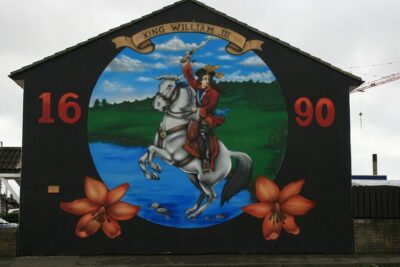
The final major stop is Shankill Road, with about 20 minutes to see its murals and hear the loyalist side of the conflict. The area is associated with the Ulster Volunteer Force and the Ulster Freedom Fighters, groups that sought to keep Northern Ireland within the United Kingdom.
The murals here commemorate loyalist figures, battles, symbols, and political aims. They do not tell the same story as the murals on Falls Road. Seeing both areas in one short tour helps you understand that Belfast’s political art is shaped by community identity, not by one agreed version of the past.
This stop is especially useful after Bombay Street and the republican sites. You can compare how each side presents defense, sacrifice, threat, and belonging. The guide’s tone matters here. A balanced explanation should describe the loyalist position without hiding the violence carried out by loyalist paramilitaries.
The 20-minute timing is reasonable for seeing key murals and asking a few questions. It is not enough to walk every side street or study every image, so keep your expectations focused.
Is $190.59 per person good value?
At $190.59 per person, this is not a cheap sightseeing ride. The price makes more sense if you value a personal guide, door-to-door movement between separated neighborhoods, and a focused history lesson without spending a full day on public transport or several separate visits.
The route includes parking fees, and the Peace Wall admission is included. The other listed stops are free. Coffee, tea, and alcoholic drinks are not included, so plan to eat or drink before or after the tour.
The biggest value comes from the guide rather than entrance tickets. A strong guide can explain why the murals differ, connect Bombay Street to the rise of the Provisional IRA, and place Clonard’s peace work beside the violence shown elsewhere. The price is harder to justify if you mainly want photographs and a quick drive past famous walls.
The tour can take up to 25 people, but it is described as a taxi tour. If you are booking for a group, confirm how many people will share the vehicle and whether the booking is exclusive. The experience is most appealing for a smaller party that wants to ask questions freely.
Timing, pickup, and practical details
The standard meeting point is outside the Leonardo Hotel Belfast on Great Victoria Street. Pickup is offered within a one-kilometer radius of Belfast City Hall, and the tour ends back at the meeting point.
Cruise ship pickup is not offered because the port is several miles outside central Belfast. If you arrive by cruise ship, the shuttle bus reportedly leaves you near Visit Belfast, across from City Hall, where pickup at the City Hall front gates can be arranged. Confirm this before booking, rather than assuming the taxi will meet you at the ship.
The nine stops add up to about two hours. Most stops last 10 minutes, while the Peace Wall and Shankill Road receive 20 minutes each. That makes the tour efficient, but it also means you should wear comfortable shoes and be ready to get in and out of the vehicle promptly.
Confirmation is provided at booking. Service animals are allowed, and the tour is near public transport. Most people can take part, but the supplied information does not give detailed mobility guidance for every stop, so ask ahead if you need specific assistance.
Free cancellation is available up to 24 hours before the start time. Changes or cancellations inside that window are not accepted for a refund.
Who should book this Belfast taxi tour?
I would recommend it to you if you have limited time in Belfast and want the political story explained through the places where it happened. It suits first-time visitors, students working on Northern Ireland, and anyone interested in how public art carries memory.
It is also a strong choice if you want to compare nationalist and loyalist viewpoints in one outing. The route does not treat Belfast as a simple good-versus-bad story. It shows how fear, identity, state power, paramilitary violence, and peace efforts all shaped the city.
You may want a different experience if you prefer long museum visits, extensive walking, or a relaxed pace. Nine stops in two hours is a lot. You will see the major points, but you will not have time for every mural, interior, or detailed discussion.
Should you book it?
Book this tour if local context and direct conversation matter more to you than entrance tickets or polished attractions. The combination of Peace Walls, Falls Road murals, Clonard, Bombay Street, Crumlin Road Gaol, and Shankill Road gives you a clear introduction to Belfast’s divided past in a short period.
Before paying $190.59 per person, confirm the vehicle arrangement, especially if your group is larger than a few people. If you can secure a small party and an English-speaking guide with the same personal and balanced approach described for this experience, the tour offers a useful, serious introduction to Belfast’s Troubles and its continuing work toward peace.
FAQ
How long does the Belfast taxi tour last?
The tour lasts approximately two hours. It includes nine stops, with individual visits lasting about 10 to 20 minutes.
Where does the tour start?
The listed start point is the Leonardo Hotel Belfast on Great Victoria Street. Pickup is also offered within a one-kilometer radius of Belfast City Hall.
Can the tour pick me up at a cruise ship?
No. Cruise ship pickup is not offered because the port is several miles outside Belfast city center. Pickup can be arranged at the front gates of Belfast City Hall.
What language is the tour offered in?
The tour is offered in English.
Are admission tickets included?
Parking fees are included, and admission is listed as included at the Peace Wall. The other named stops are listed as free. Drinks are not included.
What is the cancellation policy?
You can cancel up to 24 hours before the experience starts for a full refund. Cancellations or changes made less than 24 hours before the start time are not accepted.
More 2-Hour Experiences in Belfast
- 2 Hour Private Belfast Taxi Cab Tour of Troubles & Peace walls
★ 5.0 · 240 reviews - 2 hours Belfast Original Drivers The Troubles Black Taxi Tour
★ 5.0 · 227 reviews - World Famous Belfast City Centre Black Cab/Taxi Tour 2 Hours
★ 4.5 · 177 reviews - Original Private Belfast Troubles and Peace Cab/Taxi Tour 2 Hours
★ 5.0 · 90 reviews
More historic sites in Belfast
- Giants Causeway & Castles Tour from Belfast: Guided tour
★ 5.0 · 1,432 reviews - Giants Causeway, Rope Bridge, Carrickfergus Castle and Dark Hedges Tour
★ 4.0 · 596 reviews - Giant’s Causeway Tour from Belfast – Luxury Bus + Castles Tour
★ 4.5 · 372 reviews - From Belfast-Giants Causeway, Dunluce Castle and Dark Hedges tour
★ 4.5 · 193 reviews
Just added in Belfast
- Belfast’s Titanic Quarter: A Self-Guided Audio Tour★ 5.0 · 6 reviews
- Falls road Murals Walking Tour with former prisoners★ 5.0 · 19 reviews
- The Single Cask Whiskey Experience★ 5.0 · 6 reviews
- Titanic Eastside Bike Tour★ 5.0 · 9 reviews
- Small Group Giant’s Causeway Day Tour from Belfast★ 5.0 · 11 reviews
- Customisable Private Shore Excursion From Belfast Cruise Terminal★ 5.0 · 6 reviews
- 4 Hours Private Belfast City Tours★ 5.0 · 10 reviews
- SHORE EXCURSIONS BELFAST / up to 5 tours in 1 day from CRUISE SHIP @ MICKS TOURS★ 5.0 · 19 reviews
Black Taxi Tours, compared.
2 Hour Private Belfast Taxi Cab Tour of Troubles & Peace walls
Read our review →Browse the lists this tour appears in