
Reviewed · WALKING TOURS
Adult Foraging Walk & Bushcraft Cookery Course for Beginners
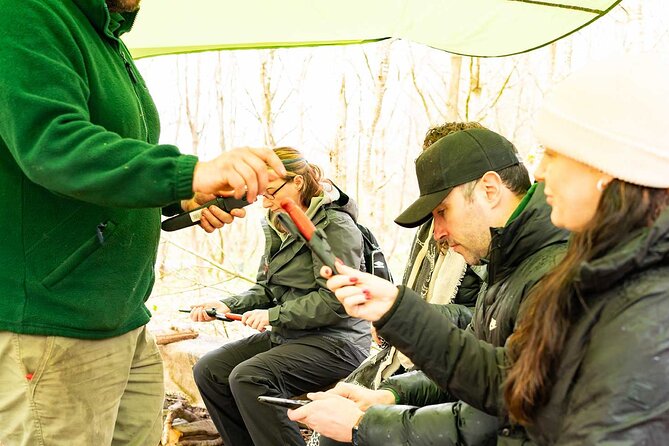
The best part of this beginner foraging course is that you do more than point at plants and hear their names. You learn how to identify wild edibles, gather them with care, and turn them into food over an open fire. David also brings bushcraft into the session, with whittling, fire-making, and simple woodland skills.
I like the strong hands-on mix. You may make a wooden spoon, mallet, or survival whistle, then use the fire to cook pizza, nettle soup, and chocolate banana. I also like the small group size, capped at eight, which gives you room to ask questions and get help.
The main consideration is time. Three and a half hours passes quickly when the course includes a walk, plant lessons, craft work, fire skills, food preparation, and tasting. If you want a long, specialist botany class, this is not it. It is a practical first step with a broad range of activities.
Key points to know
- David leads a hands-on woodland session: Expect clear plant guidance, practical demonstrations, and help with each activity.
- The course is built for beginners: You learn basic identification, safe gathering, ethical practice, and simple culinary uses.
- Food is part of the lesson: Foraged ingredients can become nettle soup, while pizza and banana desserts cook over the campfire.
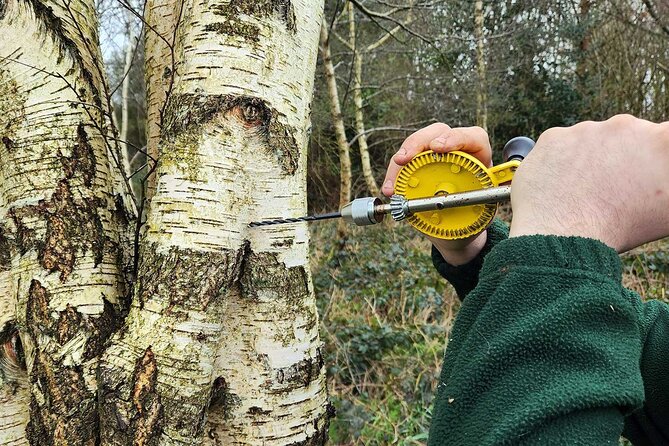
- Bushcraft adds variety: Whittling, wooden spoons, mallets, whistles, and fire-making keep the session active.
- The setting gives you plenty to see: The grounds include woods, flower-lined paths, alpaca fields, and ponds.
- Eight people is the maximum: That small cap should make the instruction more personal than a large group outing.
A first look at BallyBurren Outdoor Escapes
You meet at BallyBurren Outdoor Escapes, 143 Dromore Road, Ballynahinch, BT24 8HZ. The course begins at the car park, so you should arrive ready to start there rather than expecting a town-centre meeting point or a pickup service.
From the car park, the group walks to the forest school site. That short change of scene matters. The course moves away from the arrival area and into a woodland setting where fire, food, and plant work make sense together.
The grounds offer more than trees. You may see flower-lined paths, alpaca fields, ponds, and wooded areas along the way. That variety helps the session feel like an outdoor day out rather than a classroom lesson with a quick stroll attached.
The activity ends back at the same meeting point. With a mobile ticket and confirmation provided when you book, the basic plan is simple: arrive at BallyBurren, take part in the forest school session, and return to the car park.
Other walks around Northern Ireland:
- A History of Terror – Belfast City Centre Walking Tour
★ 5.0 · 2,883 reviews - Belfast Political Tour-Conflicting Stories Walking Tour
★ 4.5 · 459 reviews - Best of Belfast Walking Tour
★ 5.0 · 399 reviews
Learning plants without feeling overwhelmed
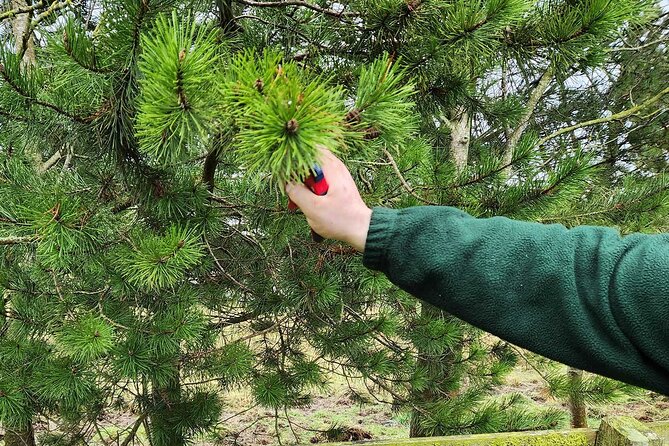
The opening plant-identification briefing sets the tone. You get the basic principles first, including what to look for, how plants change with the seasons, and how gathered plants can be used in cooking.
For a beginner, this order is useful. You do not simply receive a list of plant names. You start to connect a plant’s features with its availability and possible use. That is the difference between memorising a few names and beginning to build a practical foraging habit.
The course also covers safe and responsible gathering. You learn why identification matters, how to reduce harm to the environment, and how ethical foraging supports a more sustainable approach to food.
That part deserves attention. Wild food is not automatically safe just because it grows outdoors. A good beginner session should make you cautious as well as curious, and this course puts plant recognition and responsible practice near the centre of the experience.
You should not expect to leave able to identify every plant in Northern Ireland. Three and a half hours is enough to introduce common foraged plants and their uses, not to replace years of study. Think of the session as a useful foundation that helps you know what to learn next.
The foraging walk and tasting session
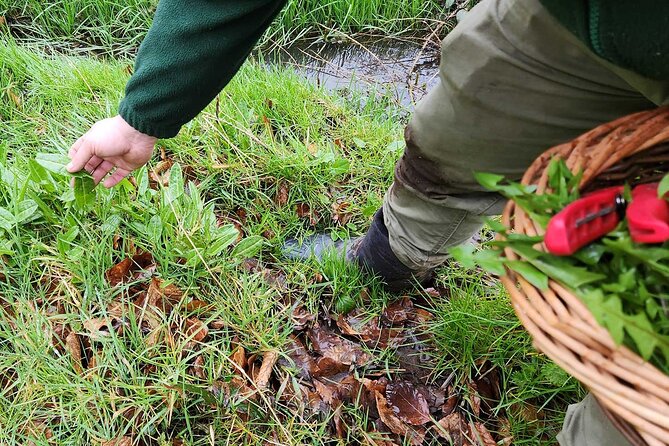
After the introduction, you head out on the foraging walk. This is where the subject becomes more memorable. You see plants in their growing environment, hear about seasonal availability, and may taste items fresh from the ground under David’s direction.
The tasting is one of the course’s strongest features. Food can taste very different when you encounter it outdoors, close to where it grows, rather than meeting it as an anonymous ingredient in a finished dish.
The session also includes tasting produce that is out of season. That gives you a wider picture of how wild ingredients can fit into food beyond the particular plants available on the day. It also helps explain that foraging is not just about collecting whatever happens to be in front of you.
You should wear clothes and footwear suitable for a walk through a woodland setting. The provided information does not specify terrain, weather arrangements, or required equipment, so it is sensible to prepare for an outdoor activity rather than a paved garden tour.
From gathered plants to woodland food
The move from foraging to food preparation gives the course its real purpose. You are not simply identifying plants for the fun of it. You see how ingredients can become part of a meal.
Nettle soup is a particularly fitting dish for the setting. It shows how a plant many people treat as a nuisance can become food when handled and prepared properly. You also help make pizza and chocolate banana desserts over the open fire, giving the cooking a broad appeal for children and adults alike.
The food is not all wild, and that is a good thing. Pizza and banana dessert make the session approachable, while the nettle soup and foraged ingredients connect the meal to the day’s plant work. You get a practical lesson rather than a forced attempt to make every ingredient unusual.
Cooking outside also gives you an active role. You are involved in preparing food and using the fire, rather than simply watching an instructor serve a tasting plate. The result is part cookery course, part shared woodland meal.
If you have particular dietary needs, check before booking. The available information does not list substitutions, allergy arrangements, or a vegetarian, vegan, or gluten-free menu.
Same city, a different sort of day out:
- Titanic Belfast Entrance Ticket: Titanic Visitor Experience Including SS Nomadic
★ 4.5 · 3,698 reviews - Cab Tours Belfast Famous Black Taxi Tours
★ 5.0 · 3,633 reviews - Game of Thrones and Giant’s Causeway Full-Day Tour from Belfast
★ 5.0 · 2,291 reviews - Private Black Taxi Belfast City Tour
★ 5.0 · 2,188 reviews
Bushcraft skills that keep the afternoon moving
The bushcraft side makes this more than a plant walk. Activities have included making wooden mallets, whittling spoons, and creating survival whistles. You may also gather flowers for a picture, adding a simple craft element to the day.
These tasks matter because they break up the information-heavy parts of the course. Listening to plant names for several hours could become tiring. Picking up a tool, shaping wood, or making something to take home gives your hands a job while you learn.
Fire-making is another central skill. You learn how to make a fire and then use it for cooking. That creates a clear link between traditional outdoor skills and the meal at the end of the session.
The course is not presented as a serious survival qualification. It is an introduction to bushcraft for beginners, with several approachable projects packed into a short period. If you enjoy making things, you will probably find this side just as rewarding as the plant work.
The pace may feel full. Plant identification, walking, whittling, fire skills, food preparation, and eating are a lot to fit into three and a half hours. That energy is part of the appeal, but you should not expect long, quiet stretches for reflection.
Why the small group size matters
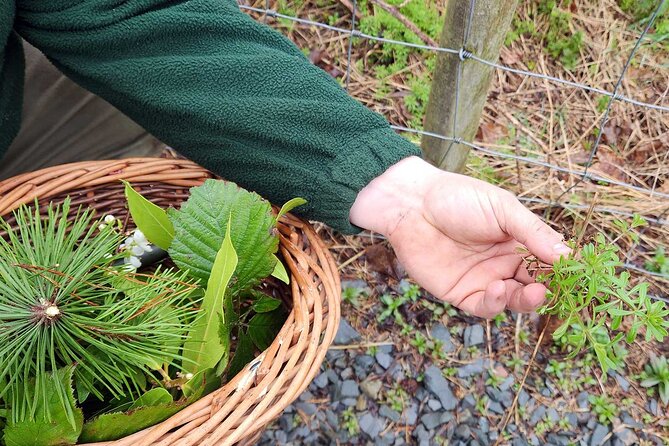
The maximum group size is eight people. That is a useful detail, especially for a course that involves tools, fire, plant questions, and food preparation.
A small group gives David more opportunity to correct a whittling technique, explain a plant, or help someone who is less confident around a fire. It should also make it easier for you to ask basic questions without feeling you are holding up a large tour.
This setting can work well for families and pairs. A father and daughter have used the session as a shared day out, and the range of activities gave them plenty to do together. You do not need to be a serious outdoor enthusiast to take part.
The course has also included a child with autism, with David taking special care to support him. That is encouraging for families considering the activity, though you should still contact the provider directly about specific support needs, since no formal accessibility details are supplied.
Service animals are allowed. Beyond that, the information does not specify wheelchair access, path conditions, age limits, or support for other mobility needs.
The value of the $88.24 price
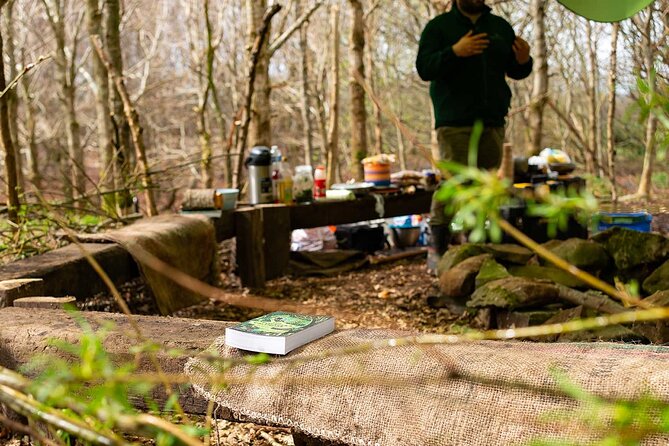
At $88.24 per person, this is not priced like a short guided walk. The value depends on how much you want from the afternoon.
You are paying for several linked activities: a guided foraging walk, plant-identification teaching, ethical gathering advice, food preparation, campfire cooking, and bushcraft projects. If you would otherwise book separate plant and bushcraft sessions, the combined format can make the price reasonable.
The food adds value, but I would not book this as a restaurant meal in the woods. The appeal is taking part in the preparation and learning how the ingredients fit together. The pizza, nettle soup, and chocolate banana are rewards for the work, not the whole point of the course.
The small group also matters when judging the cost. A session capped at eight can offer more direct instruction than a large outdoor demonstration. That is particularly useful if you are new to knives, fire-making, or plant identification.
For a family, the total price can rise quickly. Before booking, think about who will actually take part. The course suits people who want to learn and make things, not anyone simply looking for a passive afternoon in the countryside.
Who will enjoy this course most
I would choose this experience if you want a practical introduction to foraging without committing to a full specialist course. It works especially well for:
- Adults trying foraging for the first time
- Families seeking an activity they can do together
- Parents and children who enjoy making things by hand
- Couples or friends who prefer an active outdoor experience
- People interested in campfire cooking and basic bushcraft
- Nature lovers who want to taste plants in the place where they grow
The course can also suit someone who is curious about sustainable food. You learn how to gather with less impact, consider seasonal availability, and use wild plants in a meal.
I would hesitate if your main goal is a long plant walk with advanced botanical detail. The schedule includes many activities, so the plant section cannot cover every species or every identification challenge.
I would also think twice if you dislike outdoor cooking, woodland walks, or handling simple tools. The fire and craft work are not side decorations. They are a major part of the experience.
Practical details before you book
The experience lasts about three hours and 30 minutes and is offered in English. You should plan to remain outdoors for most of the session, moving between the car park, forest school site, walk, preparation area, and fire.
The tour begins and ends at BallyBurren Outdoor Escapes. There is no stated transport between locations, so you need to make your own way to 143 Dromore Road, Ballynahinch.
Your booking confirmation arrives at the time of booking, and the ticket is mobile. The group maximum is eight people. The published cancellation terms allow a full refund if you cancel at least 24 hours before the start time. Cancellations or changes made inside that window are not accepted for a refund, and the cut-off follows local time.
I would save the confirmation on your phone before setting out. Since the course is outdoors and includes a walk, bring the kind of clothing and footwear you would normally choose for a woodland activity. The provider does not list a packing guide, so avoid assuming that specialist equipment or weather protection is supplied.
Should you book the BallyBurren course?
Book it if you want a friendly, active introduction to wild food and bushcraft. David’s teaching covers more than plant names, and the chance to whittle, make a whistle or spoon, build a fire, and cook a shared meal gives the afternoon a satisfying sense of purpose.
The biggest strengths are the personal group size, the mix of activities, and the clear connection between foraging and food. You leave with practical ideas, a better sense of responsible gathering, and possibly a handmade wooden item.
The main limits are the short schedule and broad scope. You will not become an expert forager in 210 minutes, and the course may feel busy if you prefer a slow, quiet walk. But if you want an engaging first taste of Northern Ireland’s wild food and woodland skills, the $88.24 fee is reasonable for the amount packed into the session.
FAQ
Where does the foraging course meet?
The course meets at BallyBurren Outdoor Escapes, 143 Dromore Road, Ballynahinch, BT24 8HZ, UK.
Where does the activity finish?
The activity ends back at the meeting point at BallyBurren Outdoor Escapes.
How long does the experience last?
The course lasts approximately three hours and 30 minutes.
How much does the course cost?
The listed price is $88.24 per person.
How many people can join the course?
The activity has a maximum of eight participants.
Is the course offered in English?
Yes. The course is offered in English.
Can I use a mobile ticket?
Yes. The experience accepts a mobile ticket, and confirmation is provided at the time of booking.
What is the cancellation policy?
You can cancel at least 24 hours before the local start time for a full refund. Cancellations or changes made less than 24 hours before the start time are not accepted for a refund.
Just added in Northern Ireland
- Muddy Tots Go Wild Forest School Ballynahinch County Down★ 5.0 · 23 reviews
- Unforgettable beauty of Northern Ireland from an E-Bike★ 5.0 · 9 reviews
- Game of Thrones – Tollymore Forest Trek★ 5.0 · 20 reviews
- 1/2 Day Pilgrim’s Walk on St Patrick’s Way and Lunch★ 5.0 · 9 reviews
- Full Day Private Luxury Tour of Causeway Coast (Giants Causeway)★ 5.0 · 5 reviews
- Belfast’s Titanic Quarter: A Self-Guided Audio Tour★ 5.0 · 6 reviews
- Falls road Murals Walking Tour with former prisoners★ 5.0 · 19 reviews
- Giants Causeway Coast Sea Kayaking★ 5.0 · 12 reviews
Walking Tours, compared.

A History of Terror – Belfast City Centre Walking Tour
Read our review →

Belfast Eclectic Walking City Center Experience, The Marti Way
Read our review →
Belfast Troubles Murals Street Art and Peace Wall Walking Tour
Read our review →
The Real Eclectic Belfast City Walking Tour/Experience.
Read our review →
The Real Story of Belfast walking tour with a local guide
Read our review →

Belfast Line of Duty Walking Tour with Private Guide
Read our review →Browse the lists this tour appears in